

AI-Driven Content Strategy: How to Adapt When Algorithm Changes Disrupt Your Marketing

An AI-Driven Content Strategy is no longer optional if your content performance feels like it’s breaking… and you’re not imagining it.
What worked six months ago—your SEO rankings, LinkedIn engagement, blog traffic—may already be declining. Not because your strategy was wrong, but because the environment changed.
Again.
We’re now operating in a market where search algorithms evolve constantly—especially as platforms like Google Search continue to refine how content is ranked and discovered. At the same time, AI-generated content has flooded every channel, and platforms shift visibility rules without warning. Competition has increased dramatically, making it harder than ever to maintain consistent performance.
The reality is simple: stability in digital marketing no longer exists.
And that’s exactly where an AI-driven content strategy becomes critical—especially within the broader landscape of AI marketing, where visibility, credibility, and adaptability define long-term success.
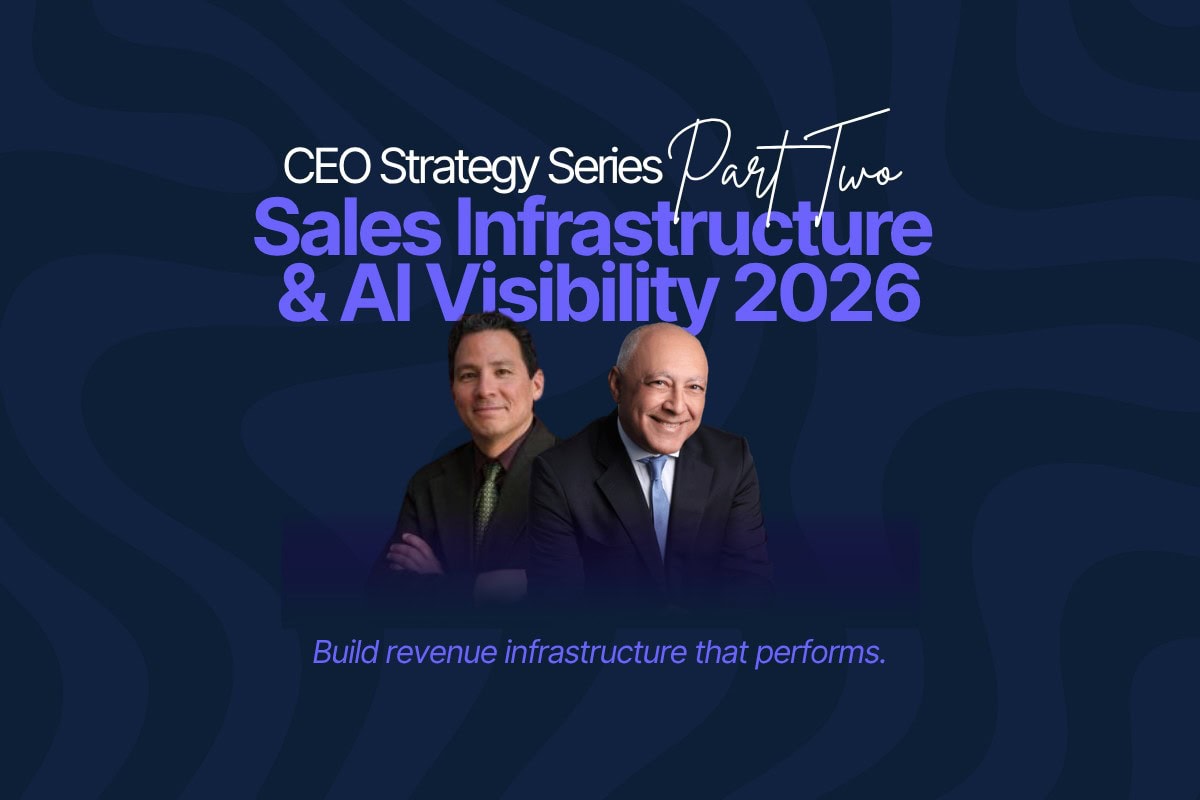
This article is based on insights from my recent conversation on the MyTogBlog podcast, where we explored what’s really happening behind algorithm changes—and what businesses must do to stay competitive in this new environment.
Why Algorithm Changes Are Breaking Traditional Content Strategies
For years, businesses approached content marketing with a predictable mindset: build content, optimize for SEO, generate traffic, and repeat.
That model worked—when the rules stayed relatively stable.
Today, they don’t.
We’ve moved into an environment defined by continuous algorithm updates, AI-driven discovery, and rapid changes in user behavior. Marketing is no longer a fixed system—it’s a moving target.
Businesses often feel blindsided when results drop. But the issue isn’t failure—it’s expectation. They expected consistency in an environment built on change.
The 4 A’s Framework for AI-Driven Content Strategy
To navigate constant disruption, a structured approach is required. The 4 A’s framework provides that foundation.
Anticipate Change
Most companies react to change. Very few prepare for it.
Anticipating change means expecting disruption, budgeting for it, and building flexibility into your strategy. A portion of your marketing investment will always be impacted by external changes—and that must be planned for in advance.
Accept Change
This is where most organizations struggle.
The resistance isn’t technical—it’s emotional. Leaders hesitate to shift direction after investing time and money into a strategy. But competitors who adapt quickly gain an advantage.
If you delay, the cost to recover later increases significantly.
Adapt to Change
Once change is accepted, adaptation becomes strategic.
This includes adjusting content strategies, reallocating budgets, testing new platforms, and redefining success metrics. This phase often happens quickly and requires decisive action.
Adopt the Changes
Execution is where strategy becomes reality.
New plans are implemented, tested, and refined. But there is no finish line. Within months, conditions will shift again—and the cycle repeats.
This article is based on insights from a featured conversation with Tim Krywulak, host of the MyTogBlog podcast.
Watch the full episode on YouTube:
Algorithm Changes Just Destroyed Your Content Strategy – Now What?Explore more content from the channel:
MyTogBlog YouTube ChannelVisit the podcast website:
MyTogBlog
The Biggest Mistake in AI-Driven Content Strategy: Treating Marketing as a One-Time Task
Many businesses still approach marketing as a project with a defined endpoint.
That mindset no longer applies.
Marketing today is a continuous process that includes strategy, execution, measurement, analysis, and refinement. Companies that fail to adopt this mindset will always find themselves reacting instead of leading.
Why Late Adopters Fall Behind in an AI-Driven Market
In the past, businesses could wait for proof before adopting new strategies. Today, that delay is costly.
What once took a year to validate now takes months—or less. By the time a strategy is proven, early adopters have already built authority and captured visibility.
Catching up can require significantly more investment just to reach parity.
Speed now matters more than certainty.
How AI-Driven Content Strategy Must Cut Through Digital Noise
AI has made content creation easier than ever, which has led to an explosion of content across every platform.
The result is not just more competition—it’s more noise.
For B2B companies, the challenge is no longer simply producing content. It’s standing out in an environment where everyone is publishing.
How Press Releases Strengthen Content Strategy and Credibility
One effective way to cut through the noise is by leveraging credible third-party platforms, particularly news distribution.
Press releases provide a unique combination of visibility and credibility.
- They offer immediate exposure through established media networks
- They create long-term credibility through persistent online presence
- They generate backlinks that support SEO performance
- They strengthen authority signals used by AI systems
Unlike short-lived content, press releases continue to deliver value long after publication.
“If you’re waiting for marketing to stabilize before you invest, you’re already behind. The companies that win today are the ones built to adapt continuously.”
— Melih Oztalay, CEO, SmartFinds Marketing
From SEO to GEO: Expanding Your AI-Driven Content Strategy
Search Engine Optimization (SEO) is evolving into a broader ecosystem that includes Answer Engine Optimization (AEO) and Generative Engine Optimization (GEO).
In this environment, visibility is no longer limited to rankings. AI systems summarize, recommend, and prioritize content based on authority and relevance.
This shift means your brand must exist beyond your website.
It must appear across trusted platforms, media channels, and third-party sources that reinforce credibility.
What This Means for Your AI-Driven Content Strategy
To remain competitive, businesses must rethink their approach:
- Expect continuous change
- Budget for adaptation
- Test new tools and platforms regularly
- Build credibility beyond owned media
- Focus on authority and visibility—not just traffic
The goal is no longer stability—it’s adaptability.
Final Takeaway: Strengthening Your AI-Driven Content Strategy for Long-Term Growth
Constant disruption creates both challenges and opportunities.
Companies that anticipate change, accept it quickly, adapt strategically, and execute consistently will outperform those that resist it.
An AI-driven content strategy is not about reacting to change. It’s about building a system designed to evolve with it.
And in today’s market, that’s what separates businesses that grow from those that fall behind.
AI-Driven Content Strategy FAQs
What is an AI-driven content strategy?
An AI-driven content strategy is a modern approach to marketing that accounts for constant algorithm changes, AI-generated content, and evolving user behavior. It focuses on continuous optimization, multi-channel visibility, and building authority across platforms rather than relying on static SEO tactics.
Why do algorithm changes impact content performance?
Algorithm changes affect how content is ranked, discovered, and distributed. Platforms like Google and LinkedIn regularly update their systems, which can reduce visibility for previously high-performing content and require ongoing adjustments to maintain results.
How often should a content strategy be updated?
Content strategies should be reviewed and adjusted continuously. In most cases, businesses should expect to revisit and refine their strategy every 30 to 90 days to stay aligned with market changes and platform updates.
What is the difference between SEO and GEO?
SEO (Search Engine Optimization) focuses on improving visibility in traditional search engine results. GEO (Generative Engine Optimization) focuses on ensuring your brand is referenced and recommended by AI-driven platforms, which rely more heavily on authority, credibility, and multi-source visibility.
How do press releases support an AI-driven content strategy?
Press releases enhance visibility and credibility by distributing content through authoritative media channels. They generate backlinks, increase brand exposure, and create trusted signals that AI systems use when recommending businesses or content.
Why is adaptability more important than consistency in modern marketing?
In today’s rapidly changing digital environment, consistency without adaptation leads to declining performance. Businesses that continuously adjust their strategies based on new data and market conditions are more likely to maintain visibility and outperform competitors.
Have a marketing challenge worth talking through? Start a conversation with SmartFinds.